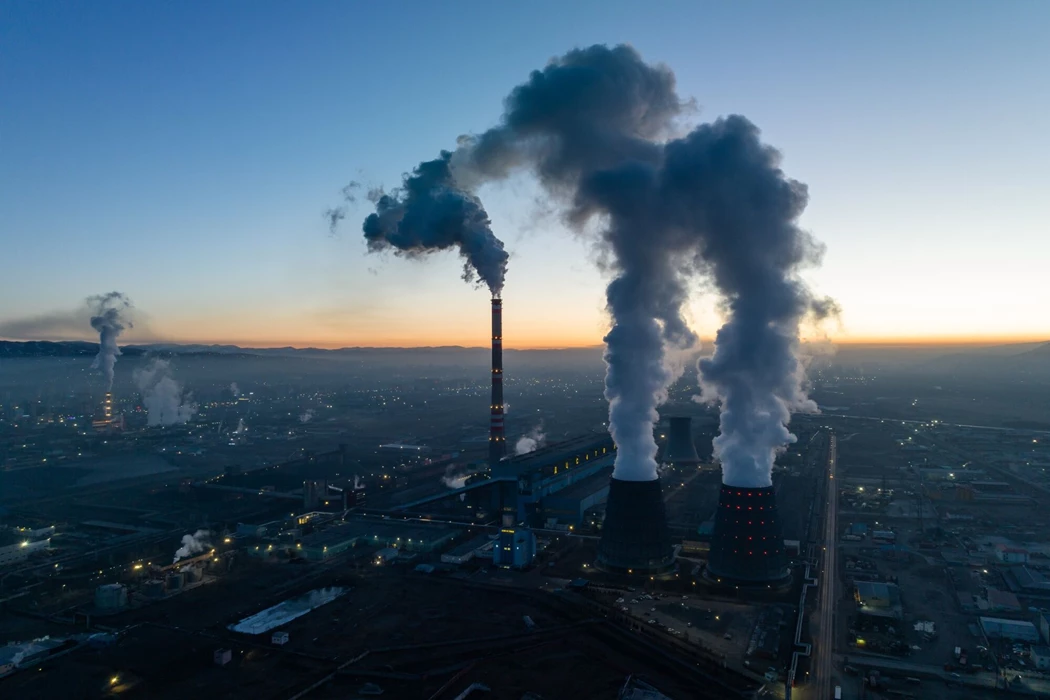
Alright, so you’ve probably heard about GHGs or greenhouse gases a lot lately. But what exactly are they, and why is everyone making such a big deal about them? Let’s break it down in simple terms.
What are Greenhouse Gases (GHGs)?
Greenhouse gases, often abbreviated as GHGs, are gases in our atmosphere that trap heat. Think of them like a cosy blanket around the Earth. They let sunlight in but prevent some of the heat from escaping back into space. This is crucial for keeping our planet warm enough to support life. The main GHGs are carbon dioxide (CO2), methane (CH4), nitrous oxide (N2O), and fluorinated gases.
Where Do These Gases Come From?
GHGs come from both natural sources and human activities. Natural sources include things like volcanic eruptions, wildfires, and the respiration of plants and animals. However, human activities are significantly boosting the levels of these gases. For instance:
-
- Carbon dioxide is released when we burn fossil fuels like coal, oil, and natural gas for energy.
-
- Methane is emitted during the production and transport of coal, oil, and natural gas. It also comes from livestock and other agricultural practices.
-
- Nitrous oxide is released from agricultural and industrial activities, as well as during the combustion of fossil fuels.
- Fluorinated gases come from industrial processes and are used in things like refrigeration and air conditioning.

Why Are GHGs Harmful to the Environment?
While a certain amount of GHGs is essential for life on Earth, the problem arises when their levels get too high. Here’s why this is a big deal:
They Cause Global Warming
When we burn fossil fuels and cut down forests, we add extra GHGs to the atmosphere. This extra layer of “blanket” traps more heat, leading to an increase in Earth’s average temperature—a phenomenon we call global warming.
They Lead to Climate Change
Global warming is just one part of a broader issue known as climate change. This encompasses a range of changes in weather patterns, including more frequent and severe storms, droughts, and heatwaves. These changes can disrupt ecosystems, harm wildlife, and threaten human health and livelihoods.
They Melt Ice Caps and Raise Sea Levels
As the planet warms, ice caps and glaciers melt, adding more water to the oceans. This leads to rising sea levels, which can cause flooding in coastal areas and threaten low-lying regions. Cities, homes, and even entire island nations are at risk of being submerged.
They Disrupt Natural Ecosystems
GHGs not only warm the Earth but also acidify the oceans. When CO2 dissolves in seawater, it forms carbonic acid, which can harm marine life, especially creatures like corals and shellfish that rely on calcium carbonate for their skeletons and shells.
How Do GHGs Affect Us Directly?
It’s not just about polar bears and ice caps—GHGs have direct impacts on our daily lives too.
Health Risks
Higher temperatures can increase the prevalence of heat-related illnesses and deaths. Poor air quality, exacerbated by higher levels of pollutants like ozone, can worsen respiratory conditions such as asthma.
Economic Consequences
Extreme weather events such as floods and wild fires linked to climate change can destroy homes, infrastructure, and crops. This can lead to billions of dollars in damages, disrupt food supplies, and increase the cost of living.
Agriculture and Food Security
Changes in temperature and precipitation patterns can affect crop yields. Some regions may become too hot or dry to grow certain crops, while others might face flooding or changes in the growing season. This can threaten food security and increase prices.
What Can We Do About It?
Now that we know the problem, let’s talk solutions. There are several ways we can tackle the issue of GHGs and mitigate their harmful effects. For example, we can;
Reduce Fossil Fuel Consumption
One of the biggest steps we can take is to reduce our reliance on fossil fuels. This means shifting towards renewable energy sources like solar, wind, and hydro power. It also involves making our homes, cars, and industries more energy-efficient.
Plant Trees and Protect Forests
Trees absorb CO2 as they grow, making forests crucial in the fight against climate change. Protecting existing forests and planting new trees can help remove CO2 from the atmosphere.
Change Agricultural Practices
Improving agricultural techniques can reduce methane and nitrous oxide emissions. This includes better manure management, optimising fertilizer use, and adopting practices like crop rotation and conservation tillage.
Reduce, Reuse, Recycle
Simple changes in our daily lives can make a big difference. Reducing waste, reusing products, and recycling materials can lower the amount of GHGs we produce. For example, recycling aluminium saves 95% of the energy required to make it from raw materials.
Support Policies and Innovations
Advocating for and supporting policies that aim to reduce GHG emissions is crucial. This can include things like carbon pricing, subsidies for renewable energy, and regulations on emissions. Additionally, supporting technological innovations, such as electric vehicles and energy-efficient appliances, can drive significant change.
How Can Individuals Make a Difference?
Every little bit helps, and individual actions can collectively make a big impact.
Use Energy Wisely
Turn off lights when you leave a room, unplug devices when they’re not in use, and consider switching to energy-efficient appliances and LED bulbs.
Travel Smart
Reduce your carbon footprint by using public transportation, carpooling, biking, or walking when possible. If you can, switch to a fuel-efficient or electric vehicle.
Eat a Sustainable Diet
Eating less meat, especially beef and lamb, can lower your carbon footprint. Consider incorporating more plant-based foods into your diet and reducing food waste.
Educate and Advocate
Spread the word about the importance of reducing GHG emissions. Support local and global initiatives aimed at tackling climate change and encourage others to take action.