BackgroundOur team collaborated with a local coffee processing plant to explore sustainable waste management solutions. The focus was on converting coffee waste into biochar, a valuable carbon-rich product used for soil enhancement and carbon sequestration. To thoroughly understand the environmental impacts of this process, we conducted a Life Cycle Assessment (LCA).
Objective
The primary goal was to evaluate the environmental benefits and potential impacts of producing biochar from coffee waste. This assessment aimed to provide a comprehensive overview of the sustainability and ecological footprint of the biochar production process.
Methodology
Life Cycle Assessment (LCA) Stages
- Goal and Scope Definition: Establishing the purpose of the LCA, setting system boundaries, and identifying key environmental indicators.
- Inventory Analysis: Collecting data on energy, water, and raw material inputs, as well as emissions and waste outputs throughout the biochar production lifecycle.
- Impact Assessment: Analysing the collected data to assess potential environmental impacts across categories such as global warming potential, resource depletion, and ecosystem quality.
- Interpretation: Drawing conclusions and providing recommendations based on the assessment results.
Biochar Production Process
- Feedstock Collection: Coffee waste, including husks and grounds, was gathered from the processing plant.
- Pyrolysis: The coffee waste underwent pyrolysis, a thermal decomposition process in an oxygen-limited environment, producing biochar and syngas.
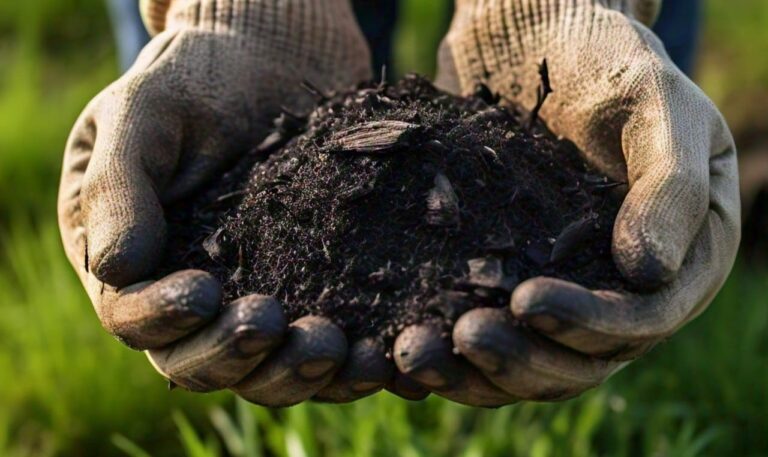
- Biochar Utilization: The resulting biochar was characterized for its properties and potential applications in agriculture and soil remediation.
Results
Environmental Benefits
- Carbon Sequestration: The biochar production process effectively sequestered carbon, contributing to a reduction in atmospheric CO2 levels.
- Waste Reduction: Diverting coffee waste from landfills minimized methane emissions, a potent greenhouse gas, thus reducing the overall carbon footprint.
- Soil Enhancement: Biochar improved soil health by enhancing water retention, nutrient availability, and microbial activity, promoting sustainable agriculture.
Potential Environmental Impacts
- Energy Consumption: The pyrolysis process required significant energy input, which was identified as a key area for optimization.
- Resource Use: Water and other resources used in the production process were assessed to ensure sustainable practices.
Overall, this case study underscores the value of LCA in guiding sustainable waste management practices and highlights the potential of biochar as a beneficial by-product of coffee waste. By transforming waste into a valuable resource, this project exemplifies a circular economy approach, promoting environmental stewardship and sustainable development.