Overview
Taiz Energy conducted a comprehensive feasibility study to support the development of an integrated waste-to-energy project in Kano State, Nigeria. The project formed part of a wider initiative to improve municipal waste management while recovering valuable resources and generating renewable energy from waste streams.
The feasibility study provided a robust technical and economic evaluation of the proposed facility, supporting strategic decision-making and helping to establish a practical pathway for project implementation.
The Challenge
Rapid urbanisation and population growth in Kano have increased the demand for sustainable waste management solutions. The project sought to address several interconnected challenges:
- Growing volumes of municipal solid waste.
- Environmental impacts associated with uncontrolled waste disposal.
- The need for renewable and reliable energy generation.
- Resource recovery through recycling and waste valorisation.
- Long-term economic and operational sustainability.
A detailed feasibility assessment was required to determine the technical viability and commercial potential of the proposed waste-to-energy facility.
Taiz Energy’s Approach
Taiz Energy delivered an integrated feasibility study encompassing technical, economic, environmental, and operational considerations.
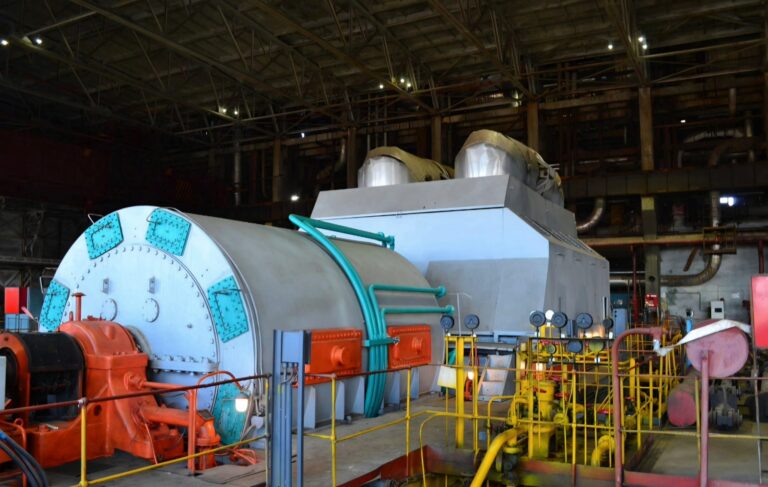
Technical Assessment
The study evaluated:
- Municipal waste generation and composition.
- Feedstock availability and long-term supply.
- Appropriate waste-to-energy technologies.
- Process integration and resource recovery opportunities.
- Energy generation potential.
- Infrastructure and operational requirements.
- Plant scalability and future expansion options.
Economic Assessment
A comprehensive financial analysis was undertaken, including:
- Capital expenditure estimates.
- Operational and maintenance costs.
- Revenue opportunities from electricity generation.
- Resource recovery and recycling potential.
- Organic waste valorisation opportunities.
- Financial performance and investment considerations.
- Economic sensitivities and project risks.
Environmental and Sustainability Review
The feasibility study considered:
- Waste diversion from landfill.
- Resource efficiency improvements.
- Renewable energy generation.
- Potential emissions reduction opportunities.
- Environmental compliance considerations.
- Alignment with circular economy principles.
Risk Assessment
Potential project risks were identified and evaluated, including:
- Feedstock variability.
- Technology selection.
- Operational challenges.
- Market and regulatory factors.
- Long-term project resilience.
Risk mitigation strategies were developed to support successful project implementation.
Key Outcomes
The feasibility study demonstrated the potential for an integrated waste management and waste-to-energy solution capable of delivering significant environmental and economic benefits.
The assessment provided:
- A technical roadmap for project development.
- Economic evaluation of project viability.
- Technology selection guidance.
- Identification of key project risks and mitigation measures.
- Strategic recommendations for phased implementation.
- Support for sustainable waste management and renewable energy generation.
Project Impact
The Capegate Waste-to-Energy Project demonstrates how integrated feasibility studies can support the transition towards sustainable infrastructure by combining waste management, resource recovery, and renewable energy production.
By providing a comprehensive assessment of technical, economic, and environmental factors, Taiz Energy helped establish a foundation for informed decision-making and long-term project development.
Our Expertise
Taiz Energy delivers feasibility studies for energy, waste management, and sustainability projects across a range of sectors. Our multidisciplinary approach combines technical expertise, economic evaluation, environmental considerations, and strategic planning to support the successful delivery of innovative infrastructure projects.
Whether assessing waste-to-energy facilities, renewable energy developments, industrial decarbonisation initiatives, or circular economy solutions, we provide evidence-based insights that help clients make confident investment decisions.